Oxford’s entrepreneurs and innovators have never had it so good. For the first time, in over two decades, there is a wall of capital of over £1 billion available to fund great ideas and emerging businesses within the Oxford cluster. According to Oxford Capital, over £1bn has been raised by investors active in the Oxford cluster in the past year, much of which is either allocated to or available for start-ups and high growth companies in the cluster. The investors - Oxford Capital, Oxford Sciences Innovations, IP Group, Woodford Investment Management, Parkwalk, Mercia, and OSEM - have together raised over £1bn in the past 12 months. Four of these firms increased their firepower by over £100m each during the period. Much of this capital is either managed locally, dedicated to backing new companies emerging from the research institutions or in part available to back the rising stars of the Oxford cluster. This mass of new capital is set to fund a wave of investments in new and expanding technology businesses. This follows the recent success stories such as Circassia, Oxford Immunotec, Natural Motion and Arieso, whose combine valuations exceeded £1 billion following their acquisitions or listings in London and New York. The quality of companies around Oxford emerging from the science parks, research centres and universities has been rising rapidly in recent years. A virtuous circle is developing as successful companies attract both talent and funding. As these companies grow in size and value, they foster new generations of ambitious entrepreneurs and innovators who in turn will launch the next generation of businesses. Companies such as Oxford Nanopore, Oxitec, Oxford Pharmascience and Oxford PV have already received significant funding and are emerging as leaders in their markets. The Oxford cluster is best known for the strength of its life sciences sector, though other sectors have attracted substantial funding as well such as energy, software and advanced engineering. Increasingly, companies in the Oxford Cluster are attracting international capital from the US, Europe or Asia. Green Biologics, a specialty chemicals business is backed by the Swire Group, an Asian conglomerate, as well as venture capital investors Sofinova Ventures and Oxford Capital. At Venturefest Oxford on 8 July 2015, we are hosting a debate bringing together leading investors in the cluster to explore how the Oxford cluster has attracted so much capital and how it will be deployed to create the next generation of technology stars.
0 Comments
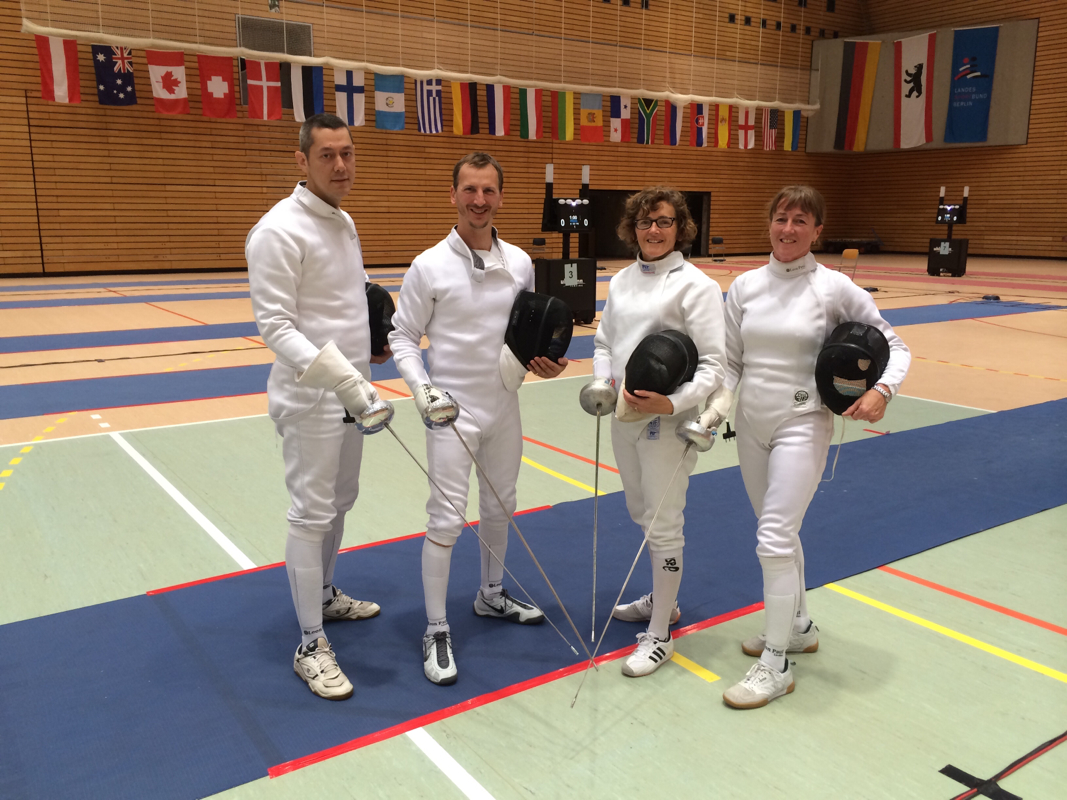
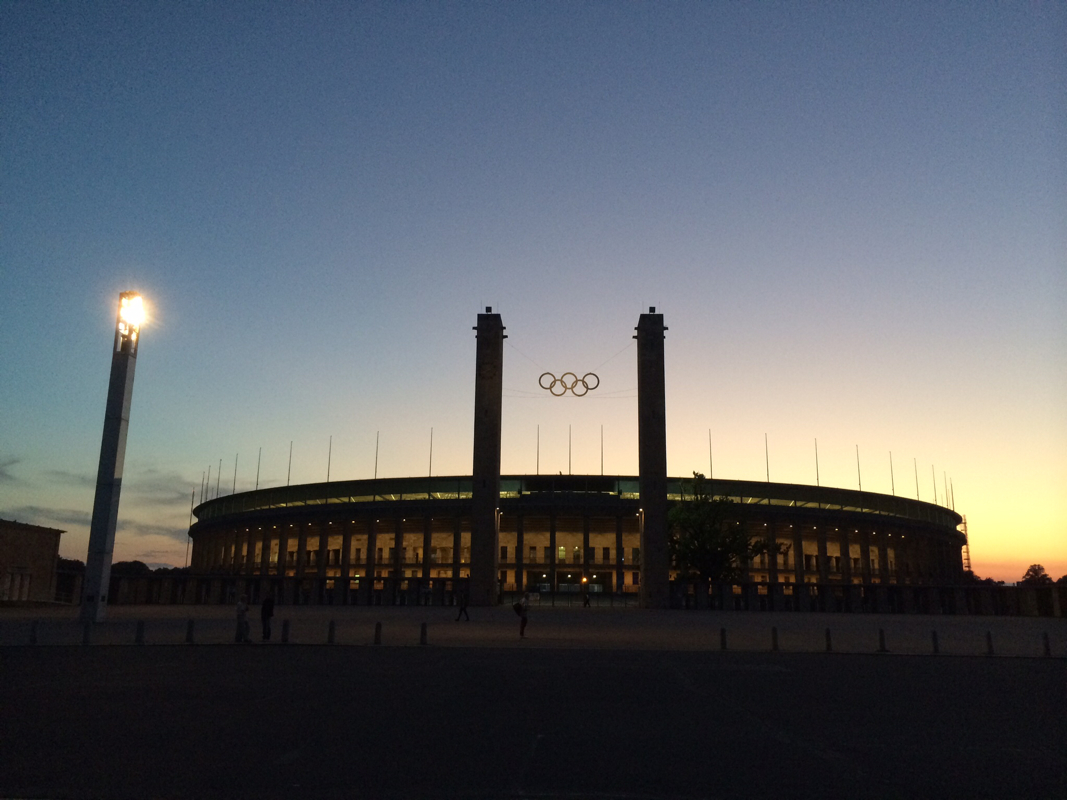
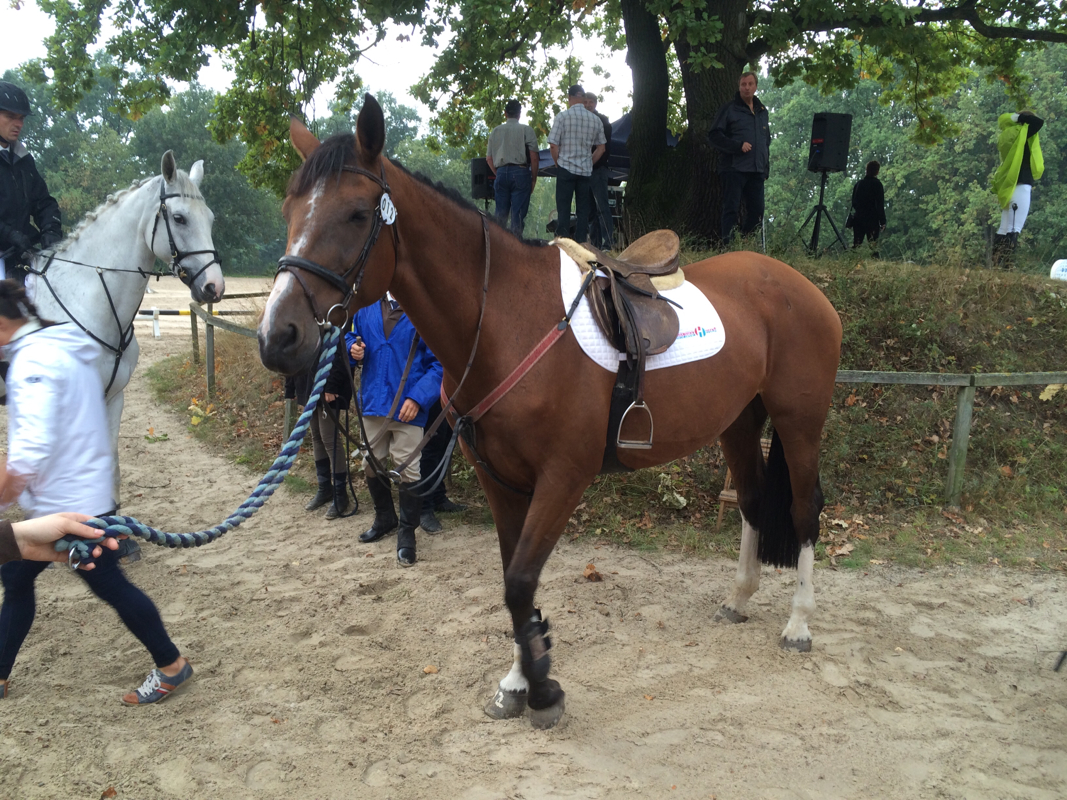
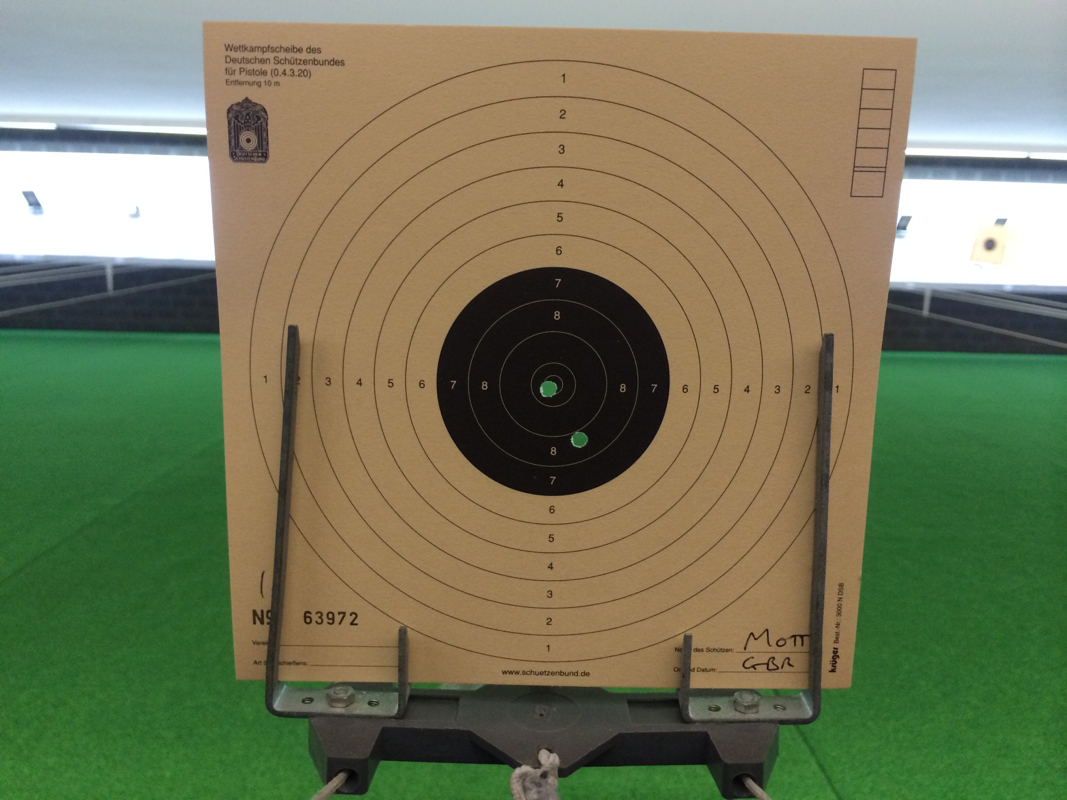
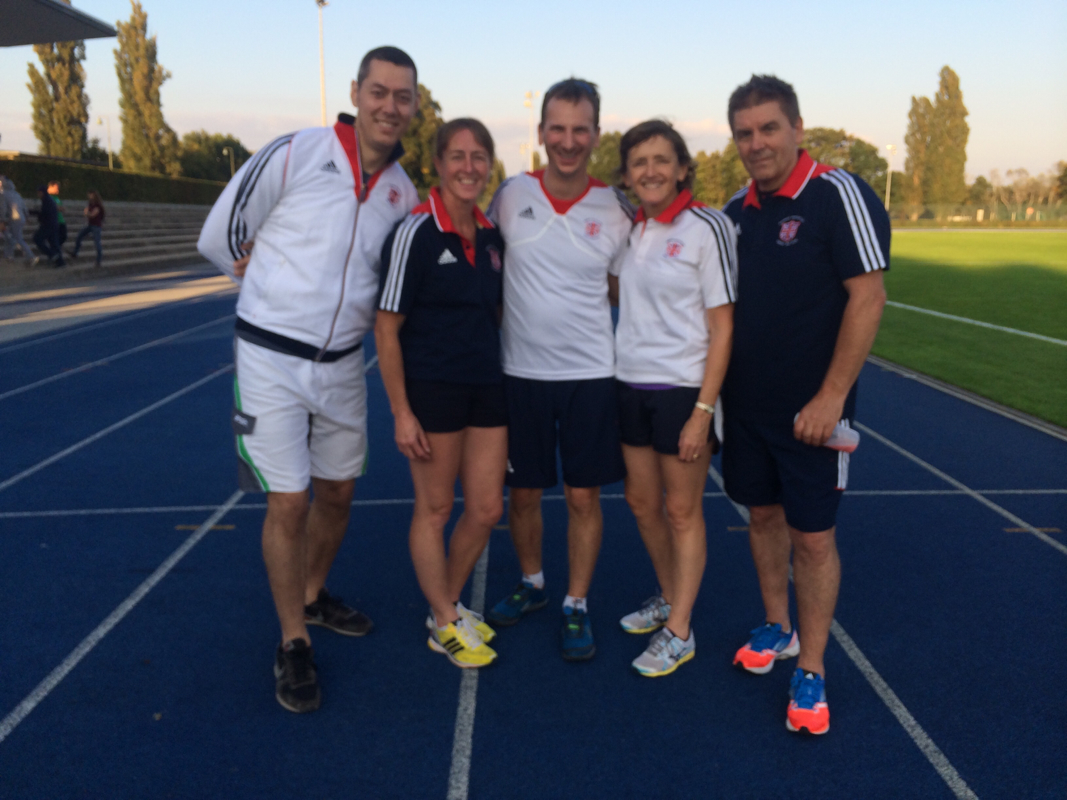
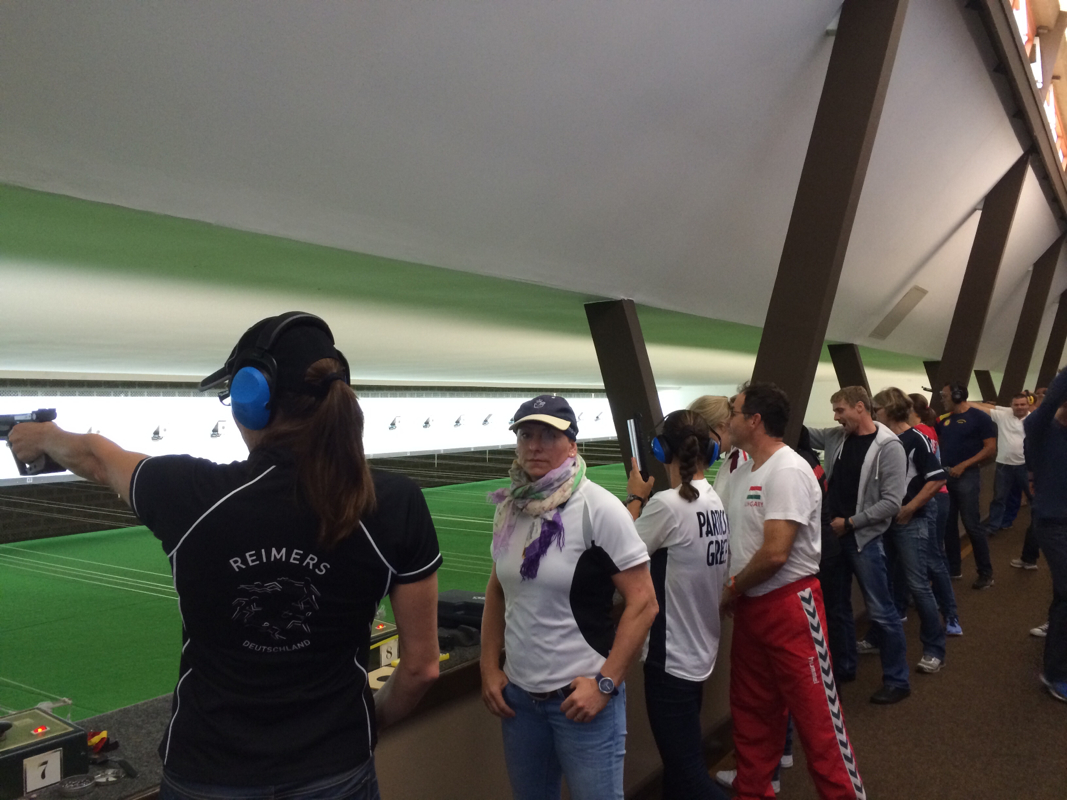
Is the US tech sector signalling the peak of the market and the coming of the next crash? Has the $50bn valuation of Uber caused the first reverberations that will hit the US tech market? Will Europe feel the full force of a hurricane that is to come? Or, with the explosion of smart devices and a globally connected population, is it really different this time? Let's take a look at some of these opposing views. Dan Primack, long time blogger on VC, showed some of his bearish views in his interesting article in Fortune.com. He explains the fact that venture backed companies are not selling so easily. Only seven VC-backed tech companies have gone public so far this year and the pipeline of IPOs is not pretty dry with only Fitbit having registered with the SEC. In the UK, Wonga is a case in point – the company was on the verge of an IPO when the FCA cracked down on it and this has probably set back its hopes of a listing by some years, possibly also for a trade sale, if it is seen as a bit ‘toxic’. Many companies have achieved high valuations, but neither the entrepreneurs nor the VCs are realizing their investments. Paper profits have limited use. M&A activity shows a similar drought with only two >$1bn M&A deals having completed in H1 2015, a number that is strangely low, compared with the hype that surrounds Sand Hill Road and the unicorns. In Europe, nearly all the unicorns still have founders at the helm. Perhaps their desire for control is holding them back from going public. The level of ambition of the 30-something generation of entrepreneurs is greater than we have seen for decades. They are young and, perhaps, in less of a hurry than their 40-something VCs to get paid. Andreesen Horowitz have published their review of tech funding. It makes a strong case for why 'this time it's different' - it's always different. Yes, valuations are high, but so are profits. And just look at the number of global internet users. They have risen from 40 million in 2000 to 3 billion in 2014. And these numbers will keep rising to 4 billion by 2020 - 100x in 20 years. On top of that, by 2020, there will be 4 billion people with a smartphone. Almost all of them can be accessed from anywhere, buy anything, connect, reach, socialise, contribute. They agree that valuations are high, but this is limited to a small number of large deals, and that this is rebalancing from IPOs as many of the largest investors are committing to late stage private rounds. This is where they are finding returns - performance post IPO has been disappointing in several high profile IPOs over the past couple of years. There has not been a surge of funding into VC funds. Yes, there is more press and prominence than there has been for years. The buyout funds had all the press and LP attention for years, but now the VCs have raised their heads above the parapet. But the numbers are still relatively small, both in absolute terms and in proportion of GDP (under 3% in the US and less in Europe). More people are becoming entrepreneurs. The cost (and risk) of creating a tech company has plummeted, mainly as a result of cheap computing power and increasingly with innovations such as 3D printing which is slashing tooling costs for physical goods. The number of start-ups being created has more than doubled in the US in the past 5 years. Any one visiting London, Berlin, Stockholm or Paris will be unable to avoid the buzz of entrepreneurial activity. A new generation of risk takers is busy creating the value of tomorrow. Yes, many will fail. Some will try again. More and more will succeed. The laws of numbers - more companies and more entrepreneurs - will prevail and generate more successes. If success breeds success, then the future is bright. The chances are that you have actually seen a unicorn. Probably several of them and encounter them on a daily basis. When Aileen Lee coined the term in 2003, unicorns were almost mythological. Today there is a herd of them, both in the US and here in Europe. What can we learn from this trend? The latest report on European unicorns from the team at GP Bullhound is well worth a read. It looks at the tech companies in Europe established since 2000 that have achieved valuations of over $1bn. There are 40 of them in Europe today, 13 of which have reached the threshold in the past year. They include many well known brands such as Skype, Spotify, King and Vente Prive. But some are surprisingly not household names, such as Powa, Ve, Home24. The UK comes out on top with 17 unicorns to boot, nearly three times as many as the next country (Sweden). While special because of their valuation, unicorns are expensive and require on average over $140m of funding to attain the lofty valuation. Many of the best known Unicorns are consumer businesses and the median amount they have raised is $278m. Building a brand is a capital hungry activity. Most (58%) have been started by entrepreneurs in their 30s and nearly all of them still have one or more founder leading the business. This is a great sign for the European tech ecosystem as each of these companies will over time spawn numerous entrepreneurs in the future. The senior team will probably do another start up and almost certainly become angel investors once (and if) they realize some of their holdings. For both entrepreneurs and investors, syndicating these large rounds can be beneficial and this is a feature of the European tech landscape. Over 2/3 of unicorns have more than 3 institutional investors backing them, and Spotify has 17. Around 3 unicorns are born every year and the next generation are emerging. The tech market appears to be in rude health today. While some talk about exuberance and bubbles, there is a growing body of evidence to show that it is based on strong foundations. Most of the big valuations have been limited to a small group of companies. At the Seed, Series A and Series B end of the market, it looks more like 'business as usual'. But the prospects for achieving stronger valuations and exits are better than they have been for a long time Put in a strong run and sprint finish to end up in 16th place at the Master Pentathlon World Championships. Delighted! Tonight we party as United Nations! Swam 1.19 inthe 50m pool. Solid result. Celebrated the end of day 1 with a poor impression of Usain Bolt! Tomorrow we fence and run. Off to do a night bus tour of Berlin this evening! Second event completed. Bonny and I quickly bonded in the practice arena. An earnest horse, she delivered a great performance. We rode steadily and used the full arena to line up for the jumps. In the end we had a one second time penalty so I scored 299/300 points. Delighted. Swim this afternoon. First event completed. A couple of mistakes but overall happy. Here is on of my (better) targets. We had to shoot 10 cards with 2 shots on each. Onto riding next. I have drawn a bay called Bonnie. Seems to be a good horse. Rain and cooler temperatures today. We have completed the relay competition day. Shot, fenced, swam, rode and ran. Final places have not been confirmed yet but big thanks to my wonderful team mate Vicky. We gave it out best. Our medal hopes were dashed during the riding when I fell off at the 8th jump. Bruised and with a mouthful of sand, scrambled back into the saddle and jumped the last fence. No disqualification, but lost a lot of points due to the extra time I took. Lajos and Denise did a great job and were leading all the way until the final lap of the run, but are in for a medal. Two more days to go. Tomorrow starts the individual competition. Due to numbers it is over two days. Tomorrow we shoot, ride and swim. Finally we also welcome Michael Greville to the competition. He starts tomorrow in the individuals. So we end the day with a photo of our Masters British Team. Off to eat pasta! |
About meCo-founder of Oxford Capital Partners. Husband, father, adventurer and polar marathon runner. Represent Great Britain at master level in Modern Pentathlon. Archives
December 2025
Categories |